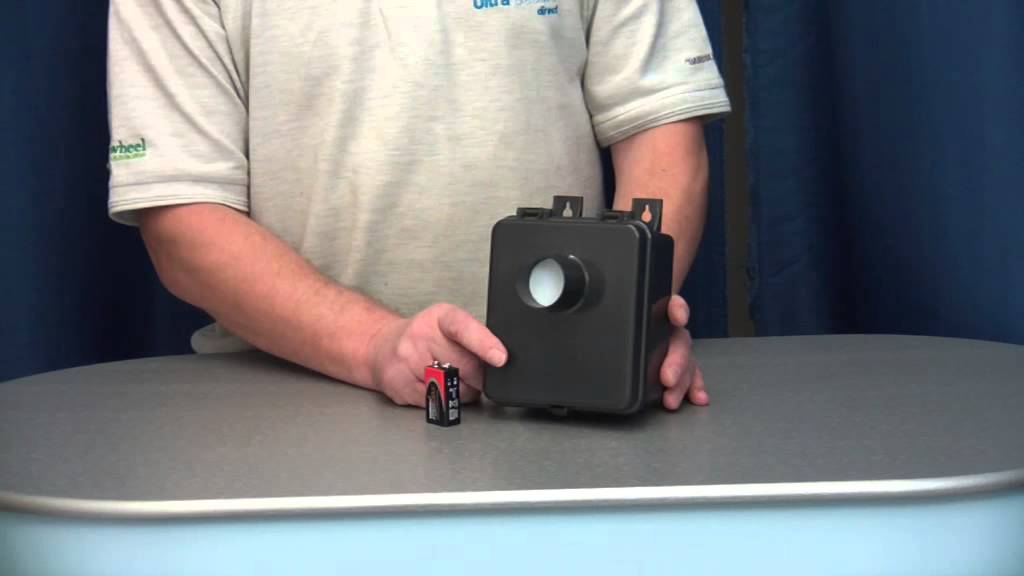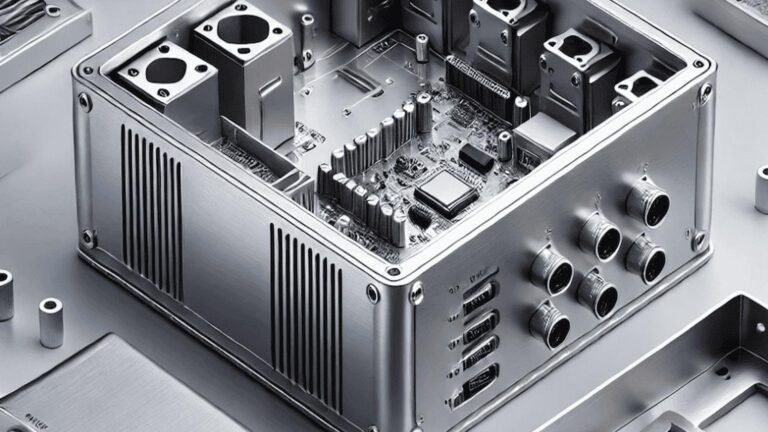
Designing electronic enclosures has evolved far beyond simple protective casings. Today, it plays a crucial role in performance, durability, and overall product success. Whether you are working on industrial equipment, consumer electronics, or specialised devices, the way you approach enclosure design can directly impact efficiency, cost, and time to market.
A smarter, faster design process is no longer just a competitive advantage—it is becoming a necessity. With tighter deadlines and rising expectations, engineers and designers must adopt methods that simplify workflows while maintaining precision and quality.
Why Enclosure Design Matters More Than Ever
Electronic enclosures are not just about housing components. They protect sensitive systems from environmental exposure, ensure proper heat dissipation, and contribute to the overall usability of the product.
A poorly designed enclosure can lead to overheating, moisture damage, or mechanical failure. On the other hand, a well-thought-out design improves reliability, extends product lifespan, and enhances user experience.
As industries move towards smarter devices and compact designs, enclosure requirements have become more complex. This makes it essential to rethink traditional design approaches and embrace more efficient solutions.
Common Challenges in Traditional Design Processes
Many designers still rely on outdated or fragmented workflows. These methods often involve multiple revisions, manual adjustments, and extended communication between teams.
Some of the most common challenges include:
- Lengthy prototyping cycles
- Difficulty in visualising the final designs early
- Limited flexibility during revisions
- High costs associated with errors and rework
These issues not only slow down progress but also increase the risk of inconsistencies. As a result, projects may face delays or fail to meet performance expectations.
The Shift Towards Smarter Design Approaches
Modern enclosure design focuses on efficiency, adaptability, and precision. Digital tools and integrated systems are transforming how designers work, allowing them to move from concept to prototype much faster.
When working with custom electronic enclosures, using advanced tools can dramatically improve both speed and accuracy. For instance, platforms that allow you to quickly design and refine a custom electronic enclosure—such as https://www.gttwireless.com/design-your-custom-electronic-enclosure-prototype-in-minutes/—help streamline the entire development process. These solutions reduce delays, simplify iterations, and enable more confident design decisions.
These tools also make it easier to experiment with different configurations, test functionality, and make adjustments in real time—all without the delays of traditional prototyping methods.
Key Elements of a Faster Design Workflow
Improving your enclosure design process does not require a complete overhaul. Instead, focusing on a few key elements can make a substantial difference.
1. Early-Stage Visualisation
Being able to visualise your enclosure at the beginning of the design process helps identify potential issues before they become costly problems. Digital modelling allows for quick adjustments and better decision-making.
2. Modular Design Thinking
Breaking down designs into modular components increases flexibility. It becomes easier to update or replace specific parts without redesigning the entire enclosure.
3. Integrated Design Tools
Using tools that combine design, simulation, and prototyping in one platform eliminates unnecessary steps. This reduces errors and ensures smoother collaboration across teams.
4. Rapid Prototyping
Quick turnaround prototypes allow for faster testing and validation. This shortens development cycles and helps bring products to market sooner.
Balancing Speed with Precision
While speed is important, it should never come at the expense of quality. A smart design process ensures that efficiency and precision go hand in hand.
Accurate measurements, proper material selection, and compliance with industry standards remain essential. Faster workflows should support these elements, not replace them.
By combining speed with careful planning, designers can achieve reliable results without compromising on performance or durability.
The Role of Collaboration in Smarter Design
Modern projects often involve multiple teams, including engineers, designers, and manufacturers. Clear communication and collaboration are critical to ensuring that everyone is aligned.
Digital platforms make it easier to share designs, gather feedback, and implement changes quickly. This reduces misunderstandings and keeps projects on track.
When teams work together seamlessly, the entire design process becomes more efficient and productive.
Reducing Costs Through Better Design Practices
A faster design process can also lead to significant cost savings. By identifying issues early and reducing the need for rework, businesses can minimise unnecessary expenses.
Efficient design practices help in:
- Lowering material waste
- Reducing labour costs
- Avoiding delays in production
- Improving overall project management
Over time, these benefits contribute to a more sustainable and cost-effective workflow.
Future Trends in Electronic Enclosure Design
As technology continues to advance, enclosure design is expected to become even more sophisticated. Trends such as smart materials, IoT integration, and automation are shaping the future of this field.
Designers will increasingly rely on intelligent systems that can predict performance, suggest improvements, and optimise designs automatically. This will further enhance speed, accuracy, and innovation.
Staying updated with these trends is essential for anyone looking to remain competitive in the industry.
Conclusion
Making your electronic enclosure design process faster and smarter is about more than just saving time. It is about creating a workflow that supports innovation, reduces errors, and delivers high-quality results consistently.
By adopting modern tools, improving collaboration, and focusing on efficient design practices, you can transform the way you approach enclosure development. The result is a process that not only meets current demands but is also prepared for future challenges.
In a world where precision and speed are equally important, a smarter approach to design is the key to long-term success.